Not so much fun…

Nigel Middleton

I usually write about upbeat, countryside matters but this blog post is different. My partner, who is the Conservationist, Naturalist, Raptor Specialist and all-round lovely man, Nigel Middleton, was made redundant from Sculthorpe Moor Nature Reserve which he co-founded with the film-maker David Cobham over 21 years ago and built up from scratch, alongside a fabulous, passionate and loyal group of volunteers. So far so miserable. However a judge ruled this week that he was, in fact, made redundant illegally – an ‘unfair dismissal’ – and this is the story:

PERSONNEL

Nigel Middleton – Naturalist, Raptor Specialist, Conservation Officer and with the late David Cobham, Founder of Sculthorpe Moor Nature Reserve

Dr Andrew McCulloch  (https://www.socialworkengland.org.uk/news/introducing-dr-andrew-mcculloch-chair-of-the-board/)– Chairman of the Hawk and Owl Trust (https://www.hawkandowltrust.org ) also Chairman of Social Work England 

Adrian Blumfield – CEO of the Hawk and Owl Trust  

After a hearing earlier in the summer, Nigel Middleton, Raptor Specialist, Conservations Officer and, alongside the late David Cobham (https://en.wikipedia.org/wiki/David_Cobham) Founder of Sculthorpe Moor Nature Reserve, has been successful in his unfair dismissal case against The Hawk and Owl Trust Ltd and Mr Adrian Blumfield.  Mr Middleton had been an employee of the Hawk and Owl Trust for over 21 years and, as his employers had to admit in court, an exemplary employee.

Background

Mr Middleton had grown concerned about the way Mr Blumfield was managing Sculthorpe Moor Nature Reserve and had approached Dr Andrew McCulloch, the Chairman of the Hawk and Owl Trust who own the Reserve, to voice his concerns.  Dr McCulloch is also the Chair of Social Work England and, as he wrote in his witness statement, has “years of experience in the Civil Service achieving the grade of Deputy Director, followed by eleven years’ experience as Chief Executive of a larger nationally well known charity… (and) that he had over 40 years of experience on Boards and Committees.”  Mr Middleton hoped that Dr McCulloch would hear his concerns and those of other employees, members of the charity and local people which he sent on to him.  Despite asking for these disclosures to remain private, Judge Warren states in that “ we (the Tribunal) glean that it seems Dr McCulloch must have in some way, informed Mr Blumfield that Mr Middleton had raised with him matters that would need to be discussed. Dr McCulloch denied this in cross examination. We did not find his denial convincing.  The timing of Mr Blumfield’s actions are a remarkable coincidence. We conclude that Dr McCulloch must have made Mr Blumfield aware that Mr Middleton had raised matters about him.”

There then followed a catalogue of persecution.

People can be a pain in the arse’

February 2023, and a few days after major surgery, Mr Middleton received a letter from Adrian Blumfield, inviting him to discuss the future of his employment, the timing of which Judge Warren wrote, ‘was crass’.  A formal grievance was raised by Mr Middleton which was to be heard by Peter Lawrence of Human Capital Department (https://www.humancapitaldept.com) whose own advertising states that, “People can be a pain in the arse”.  (see below!)

Before he had even heard Mr Middleton’s grievance, Mr Lawrence wrote to Mr Blumfield and Dr McCulloch that “It might be better if I were to deliver the decision on Friday am to show that it has been considered carefully.”  Judge Warren states that “The foregoing has led us to conclude that a campaign against Mr Middleton was launched by Mr Blumfield because he came to learn that Mr Middleton had raised concerns about him.

It was clear that Mr Blumfield was aiming to ultimately remove Mr Middleton from the business.

Dr McCulloch had also formed the view, influenced by Mr Blumfield, that Mr Middleton must go. He wrote of needing to get the Board, “behind the direction of travel”.

‘Smelling a rat’

In an email about the grievance procedure from Mr Lawrence to Mr Blumfield, and then sent to Dr McCulloch to join the conversation, it speaks of Mr Middleton potentially, “smelling a rat”.  Judge M Warren states that “Mr Blumfield and Dr McCulloch told (the tribunal) in evidence that they were unable to explain what the, “rat” was that Mr Middleton might smell.”  

Mr Middleton’s grievance was not upheld, and Judge Warren states that, “the letter inviting Mr Middleton to discuss his employment future whilst he was recovering from an operation, as not warranting an apology, is surprising, wrong and indicative of the Respondent’s mindset.”

Adrian Blumfield then invited Mr Middleton to attend a Disciplinary Hearing – without having carried out any form of investigation.  During the Tribunal, Mr Blumfield admitted that not one of the disciplinary charges were deemed ‘gross misconduct’ as he had told the Trustees.  Mr Middleton had asked that the Disciplinary Hearing be postponed for seven days as he was unwell, but Mr Blumfield would not do this, a refusal which the tribunal decided was unfair.  Mr Middleton was told that was that the Hearing would go ahead without him.  He heard nothing for weeks until he was told that the process had not gone ahead – again deemed unfair by the Tribunal.

‘Spurious’

Adrian Blumfield next sent a letter to Mr Middleton, informing him he was at risk of redundancy, a claim which the tribunal decided was ‘spurious’.  As he was on pre-booked leave, which Mr Blumfield was aware of, Mr Middleton could not attend the short consultation period and could not discuss this anyway as, his solicitor pointed out to Mr Blumfield, he was still under a Disciplinary charge.  The tribunal then notes that, ‘Informing Mr Middleton that he was no longer subject to disciplinary action and then 20 minutes later, informing him that he was dismissed with immediate effect, because he was redundant, was unfair.’

‘Remarkable’ late disclosures

The tribunal notes that, ‘During the course of the hearing there was further disclosure from the Respondent, some of it quite remarkable:-

“We were provided with two further versions of a document entitled, “The Business Case for Changes to Staff Structure and Conditions of Employment”, one of which had at the foot, “May 2023 (final)”.

Originally at paragraph 117 of his witness statement, as signed by Mr Blumfield on 5 February 2025 and as exchanged, he purported to assert that this document represented the situation as presented to the Board of Trustees at a Board Meeting in December 2022. At the outset of his evidence, Mr Blumfield agreed that paragraphs 117 and 118 of his witness statement should be deleted. His evidence was that this was a document that had changed from time to time and that the version he produced to the Respondent’s solicitors for disclosure was the latest version, he said it had been rewritten a number of times and he had misread it. He said that he had made a mistake. We did not find that a credible explanation.

‘A woeful tale of unfairness in process’ and ‘A sham’

The Tribunal concludes, ‘In the Tribunal’s judgement, redundancy as a purported reason for dismissal was nothing more than a sham.

The reason for Mr Middleton’s dismissal was that he had complained about Mr Blumfield’s management style.

The procedure followed by the Respondent in dismissing Mr Middleton was a woeful tale of unfairness in process.

Support

Mr Middleton was supported each day in court by many ex-volunteers and ex members of staff from the Hawk and Owl Trust, many of whom Mr Blumfield had banned from entering Sculthorpe Moor Nature Reserve.  These has been documented in the local press:

https://www.bbc.co.uk/news/uk-england-norfolk-66304629

https://www.edp24.co.uk/news/23679174.sculthorpe-moor-nature-reserve-protests-hawk-owl-trust/

https://www.edp24.co.uk/news/23699478.sculthorpe-moor-reserve-volunteers-banned-protest/

So there we are. We have lived under the most rotten strain but friends and our love of outdoors has kept us going. However mad these past few years have been, we would stick on the walking boots and get outdoors. Nature helped up and now, nature will heal us.
Silent Friends

Silent Friends

There are times when it is just lovely to spend times with friends, laughing, chatting, drinking wine. However, just recently I found a different friend.  She doesn’t know she is my friend and she certainly doesn’t care – but I know that I am hers.

Back in February I was weeding in the garden, trying to prepare the beds a little before the spring, and saw under a plant, what looked like matted fur.  Thinking that some poor animal had got into our garden and died there, I called Nigel over to take a look.  Nigel is a wildlife expert and, although more used to handing Red Kites and Goshawks, can be trusted to deal with anything furry, feathery, crawly or bitey.  He bent down, laughed, and straightened slowly with the scrap of fur in his hands.

‘Here,’ he said ‘you always wanted to raise one.  Now’s your chance.’ And he handed me a tiny leveret. 

There is no way into our garden for an animal.  Nigel checked the back of the leveret’s neck for puncture wounds and found none.  The mother was not in our garden – which has a animal-proof fence around it – and so how the little creature got into our garden is as mysterious as hares are.

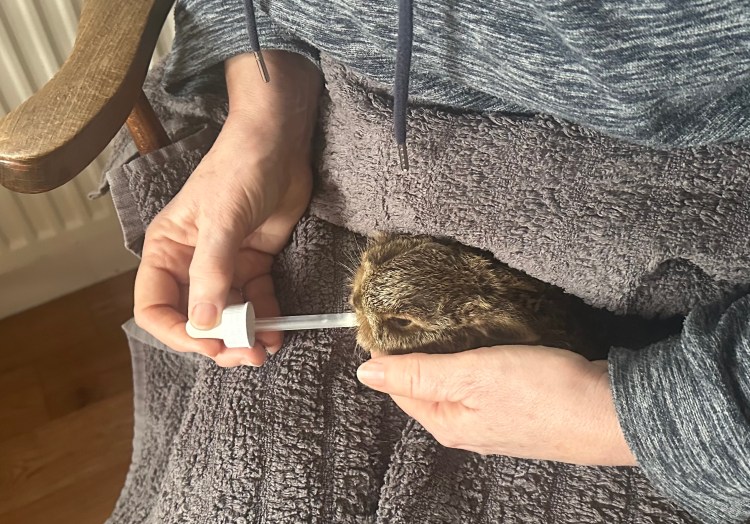
Wrapping the hare in a towel and tucking it into a box, I began to Google.  A little later, and after a trip to a Tesco to buy kitten milk, the leveret was tucked up on my lap whilst I tried to persuade her to drink from a pipette.

Tiny leveret, drinking from a pipette

It was extremely difficult as she was frightened but I persevered, not wanting to lose her.  Nigel had counselled that she probably would not survive and that  I was not to take it personally, but looking into that dark eye which stared back at me, how could I not?

In the morning I crept downstairs and peeped into the box.  A beady bright eye stared steadily back and I let out the breath I had been holding.

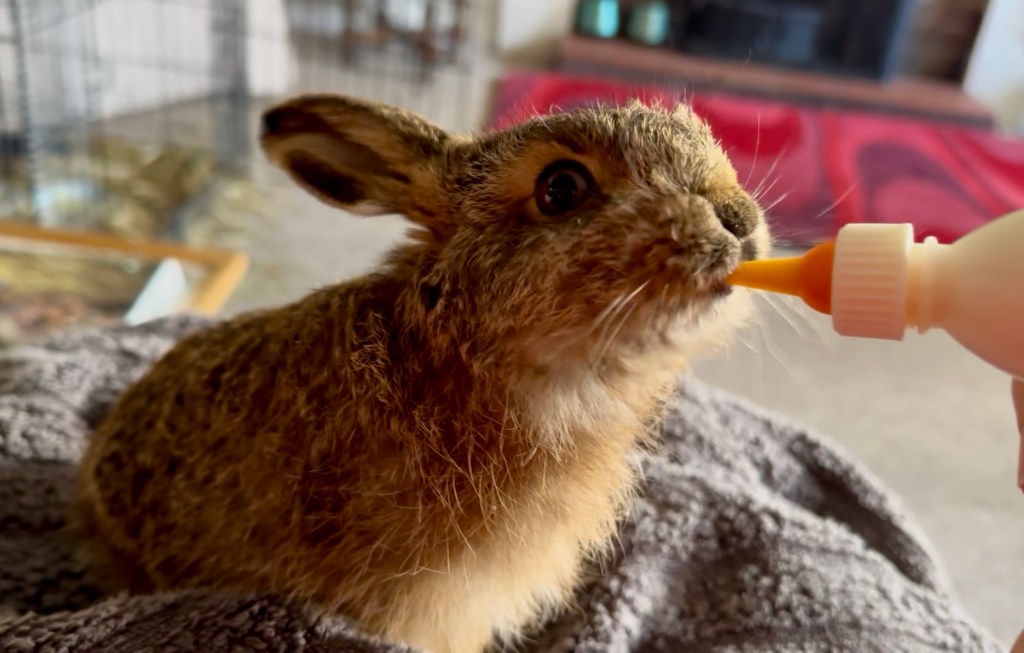
Later that morning, armed with more kitten milk and with a kitten-feeding bottle, I was ready and in for the long-haul.  Nigel had built the leveret a snug cage which was filled with fresh hay and mimicked a scrape that would have been her bed if she were in the wild, and it took pride of place in our sitting room.  However, this meant that the sitting-room (which doubles as a dining room) was now out of bounds for at least 50 days.

Apart from going in to feed her, I did not enter the sitting-room either.  We had to keep her as wild as could be to ensure she would survive, if she survived at all.

Leveret feeding from a kitten bottle

Those minutes where I fed her were something that I will never forget.  She would stare at me intently whilst noisily sucking away on a bottle and would keep eye contact with me.  You are supposed to talk to a leveret whilst you feed them so that they feel safe, and so I would sit with her on my lap, talking softly to her whilst she judged me most severely with her beautiful brown eyes.

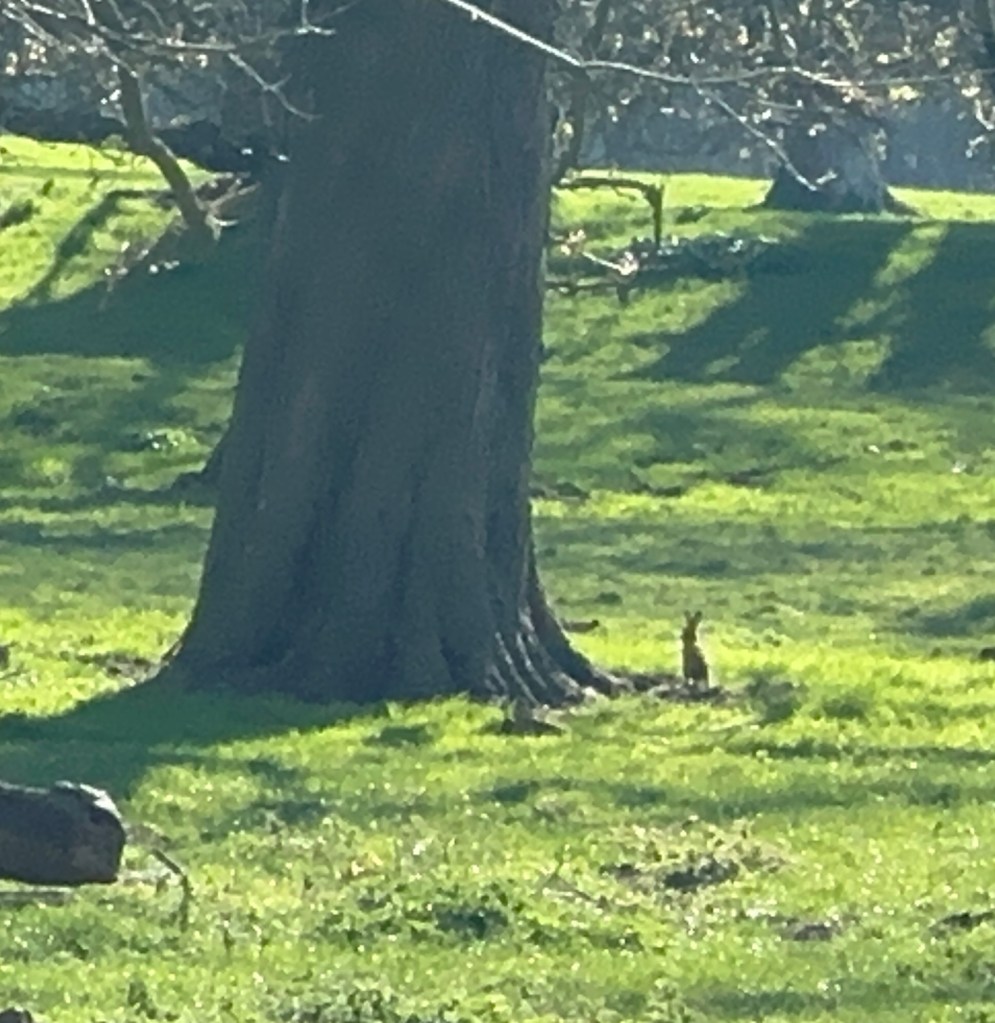
She did survive and in April we released her.  She was completely wild and equipped to live her life and as she ran across the grass and then stopped under a tree and sat up in that typical hare pose, I felt as proud as any mother would be on their child’s first day at school.

Hare sitting up under a tree after her release.

The return of a friend

Audrey Hepburn once said, ‘To plant a garden is to believe in tomorrow,’ and, growing up in the Netherlands during World War II, she was someone for whom the certainty of tomorrow was not guaranteed.

Gardening is a hopeful activity.  I’m easy prey for the seed catalogues when they arrive, or ‘garden porn’ as my daughter calls them.  I sit in the winter gloom, flicking through the pages of ripe plums, vibrant, perfect carrots and tumbling strawberries and I can see them in my garden.  It will be exactly like the photos.  Exactly.

Experience tells me that it certainly will never be like the photos – but it will still be magical.  Growing your own fruit and vegetables, from planting to plate, is something so ultimately satisfying – but with possibly a little angst and slug-induced anger thrown in along the way.

The thing with planting is that you know what to expect.  You plant a Salvia and a Salvia grows and the pollinating insects rejoice.  It’s the unexpected that brings a shift.  I don’t mean weeds here; weeds are totally expected; but sometimes a plant will surprise you.

I moved to my current house in the spring three years ago.  Not all my annual plants were up then, but I tried to move everything that I could.  I was running out of time though.  It was a rented house and I needed to be out by a certain time on that last day.  I spent the day cleaning and did a last dash around the garden to check that all my old friends were safely at the new house, in their new beds.  I have no idea how I missed the Hollyhocks.  

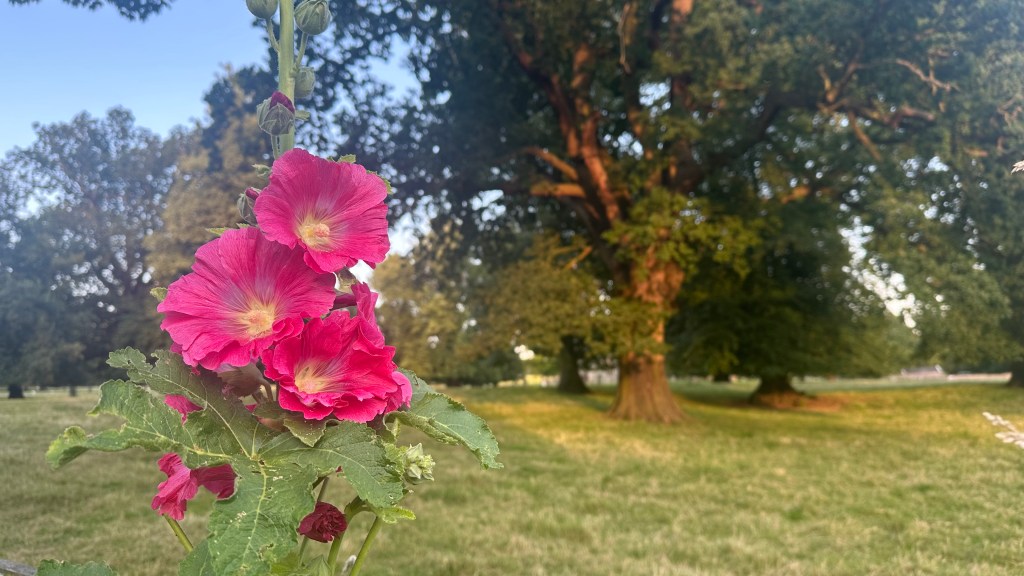
The Hollyhocks had stood around my sitting room window for years and, stalwarts that they are, each summer they had shot out of the rubbish soil and decorated the old bricks with glorious, blowsy flowers.  I loved them and, for some reason, I left them.

By the time I realised my mistake the landlord of my rented house had ripped out my garden – the Lavender, Salvias, Lilac… ripped out the Copper Beech hedge that housed the nesting Wrens in the spring and replaced it with wire and posts… and generally made the area around the house into a barren, sterile, desert.  Too late to retrieve the Hollyhocks.

Two years passed.  I would not buy new seeds as they would be not ‘my’ Hollyhocks.  Last autumn I moved around a few of the plants from my old house to different beds and in early spring this year a shoot poked out of the ground in the new bed that I didn’t remember planting.  My other half declared it a Butterbur – we have them all along the river here – but I knew it was a Hollyhock.

The shoot grew up, the leaves formed and I could see the buds growing and then, a few days ago, one of ‘my’ Hollyhocks flowered triumphantly in the new garden.

I know it’s not earth-shattering but, to me, it’s absolutely joyful.  Plants can be old friends.  To have this one survive my thoughtlessness and sneak a seed in on another plant to ultimately queen it over the garden is fabulous.  She is a beauty and may she scatter her seeds far and wide in this corner of Norfolk.

Living in Nature

When I was younger the idea of camping made my blood run cold. Actually, I thought that everything would be cold. Cold, damp and festooned with flies. I could see myself laying on a a slowly deflating air mattress as it whined its punctured death into the damp earth, whilst around me the nylon tent hissed and cracked in the howling wind. All rubbish, it turns out.

I was introduced to a Land Rover with a roof tent. Not sure much ‘introduced’ as lured, really. I already loved the Land Rover – Travelling Landy – and as soon as I had climbed the ladder into the tent perched high above the car, I was hooked.

In this tent you lay with your head at branch level, so close to the trees you could touch them. At night the breeze whispers through the leaves but does not find a way in to cool the tent, unless you open the windows. You are snug in the soft light with the trees talking all around you. It’s just lovely.

We’ve been in Northumberland for a few days now and our rest in enforced. With a roof tent, unless you bring another mode of transport with you, you can walk or take the bus. Finding it impractical to fit a pair of Highlands into the Land Rover, we are walking everywhere and it’s wonderful. We are great advocates for buying local too and never stock up before setting off as, living in Norfolk, you realise first hand that tourists and second-home owners do not always support the local economy. If you are coming into a place to stay and do not support the local shopkeepers, well that’s just bad manners.

We have petted dogs – so many different dogs – on this campsite and the upshot of it is that we have had some fascinating and uplifting conversations with people from all over the UK and Europe. And all of them were just lovely and all of them were despairing of where we, as a world, are going.

It was also honest and hopeful. We are a bunch of not young people. We are not trendy and we do not aspire to become TikTok stars. We wear comfortable clothing, sensible shoes and take great delight in being in bed early, but the one thing we agree on is the terrible state of nature in all our counties and countries, and the complete lack of understanding and/or lack of willingness, to do anything about it by our politicians. We are united Europe – even if the muppets in power do not realise this.

Natural Immersion

“I felt my lungs inflate with the onrush of scenery—air, mountains, trees, people. I thought, “This is what it is to be happy.” 

Sylvia Plath, The Bell Jar

Sylvia Plath had something here. I love the idea that you breathe in the world around you and make it part of you. Being outdoors can do this for people. The simple act of feeling the breeze on your skin as it rushes past your face straight off the sea, carrying with it the sting of salt and the whip of the waves, makes you feel more alive, more part of the landscape.

Standing in a woodland, head dappled by the sun filtering in through the trees, listening to the leaves rustle in the breeze, you change. You are not the person who walked in there, noticing nothing, head buzzing with your life. Then something makes you stop. You listen – and nature does the rest.

It’s not loud, it’s not fashionable and it certainly does not cost anything to do, but standing, listening and breathing in a landscape which pleases you can do wonders for your head. A friend of mind describes their head as sometimes like spaghetti which should be hanging down, but, in times of stress, the strands knot together and make the thoughts hard to articulate through the mess. I’m not saying that anything can be cured by a quick peek at a forest, but getting outdoors, leaving the current world behind, and just get in nature and looking and listening, can help so much.

I’ve left home feeling awful sometimes. I’m angry or sad, frustrated with what I should have done and those things which I should not have done – and I stamp off down a track, head raging. I cannot stop it, but soon the rhythmic sound of my footsteps, the chatter of the birds, the smell of the hawthorn start to slide into my head, drowning out the anger with their gentleness. It seeps into every bit of you and by the time I’m home again, a sense of perspective has been achieved and I can carry on again – but less angrily. Solvitur ambulando is very real indeed.

I was lucky enough to be talking to the good people at Viking Optical Ltd about my walks and the effect that bringing people out into nature can have. They asked me if I took binoculars out on my own walks and I said that I did… then they suggested that they lend me enough pairs of binoculars for my guests too. I jumped at the chance, obviously! Binoculars are usually associated with bird watchers but I’ve always used mine for a host of reasons – spying on church towers, looking at odd buildings in the distance, finding hares in a field, trying to find out what that strange lump in the field is before you step too close to it… I think that others will find them useful too and I’m so glad to be able to offer this to my guests.

Our walks with or without binoculars begin on Wednesday 15th May and we will walk on a Wednesday and on a Saturday for the following five weeks. I do hope that you can come and walk with me. We don’t just march along. We stop, we listen and we listen to each other… and by the end of the walk you’ve found friends and also a sense of peace.

Take a look and book here if you want to join us. I hope to see you soon. I’ll bring the binoculars – you just bring yourself.

Come walking with us!

At last we have whittled down our walks to a few favourites for the beginning of this season, which we think you will enjoy. Please join me and Nigel Middleton (described by Richard Mabey in his book Nature Cure as a ‘bit of shaman’ who could ‘conjure birds out of the air’, Nigel is a British bird of prey specialist and naturalist). Together we will lead you through green lanes, along field edges, down quiet country roads and alongside the coast and rivers. It’s not about getting somewhere – it’s the journey.

We will stop and listen to the birds, stand under trees just to hear the canopy rustling above us and enjoy just being out in the countryside together. There will be snippets of history, bird spotting, mammal spotting, wildflowers, fungi… but it will be a walk with friends old and new and the joy of being in the natural world.

All the walks are here and our Ticket Source booking page is here.

Spring with a side of cold

In my Enid Blyton head, spring is a time for skipping through green lanes with banks studded with pin-pricks of colour from primroses and violets that look like tiny fallen stars. Birds would sing in the spring from the hedgerows and the weak sunshine would still kiss your face with warmth.

It is hard to spring joyfully through a lane weighed down by a multi-layered coat, strangled by swathes of wool wrapped around your neck and barely able to see under a woolly hat that seemed hell-bent on blinding you. As an aside – if anyone knows of a warm hat that does not slide down your face so that you cannot see or ride up on the top of your head so that you look like a drunk pixie, please let me know.

We have not had the frosts in this part of Norfolk, nor the snow… yet… but the cold wind has been harsh – especially now that we are on the home run towards some warmth. It’s like winter’s final throw of the dice to ensure that we are really, really grateful for the change of season.

My pace when out walking has increased to full Benny Hill-esque scuttle and the long days of growing light, standing gazing at the primroses are just a daydream.

This kind of cold does make you so truly grateful for any hint of warmth from the sun though. The joy of finding a sheltered spot somewhere to hide from the wind is completely overwhelming and you find yourself grovelingly grateful.

Tha’s easy t’git ahead o’yerself
When the March sun start t’smile,
When the arth dry out, an’ that handle right,
An’ the warld begin t’look green an bright –
But howd yew haard fer a while!

Jack Kett, Norfolk Poet – from his poem Howd Yew Haard

As I’ve said before, I was lucky enough to be taught by Jack Kent, whose poem on the spring is quoted above. In spring he would lead his class from the school along the road from Cawston towards Jimmy’s wood to look for catkins, pussywillow, butterflies and all those other harbingers of spring. It was so exciting to go along the road in a two by two crocodile, out of the classroom and under the blue sky to the woods. He taught us all the joy in nature. He taught us to look for the changes in the seasons and to celebrate them – even the icy wind and the frost – because without these changes then we would not have the spring flowers, or the autumn leaves or the golden fields of wheat in the summer.

We didn’t know we were learning at the time, but if you ask many of us who were lucky enough to be taught by him I think you would find a love of nature and an understanding that you take the rough with the smooth and the harsh with the soft. It wasn’t gently, modified nature that he taught, it was reality.

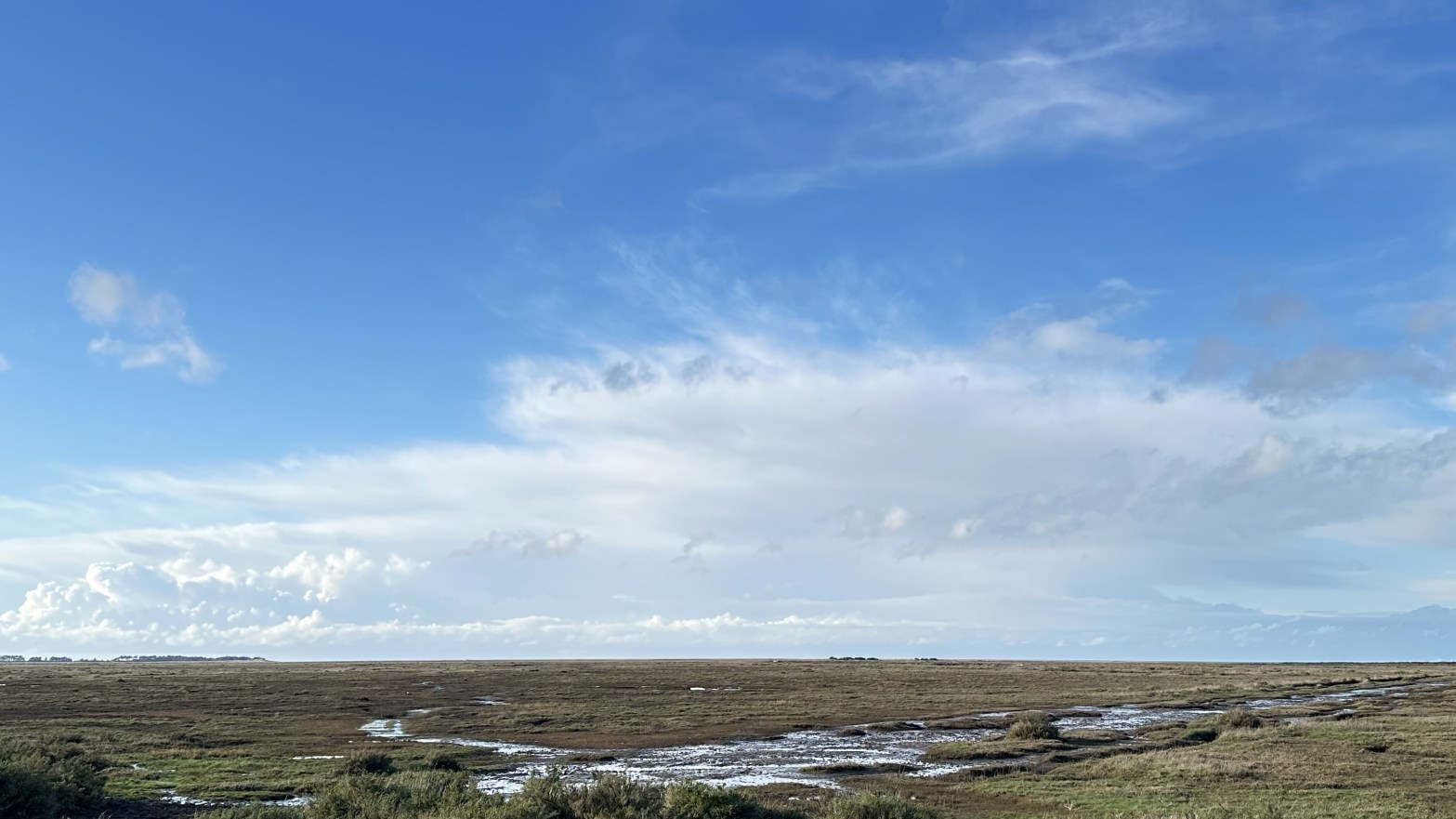
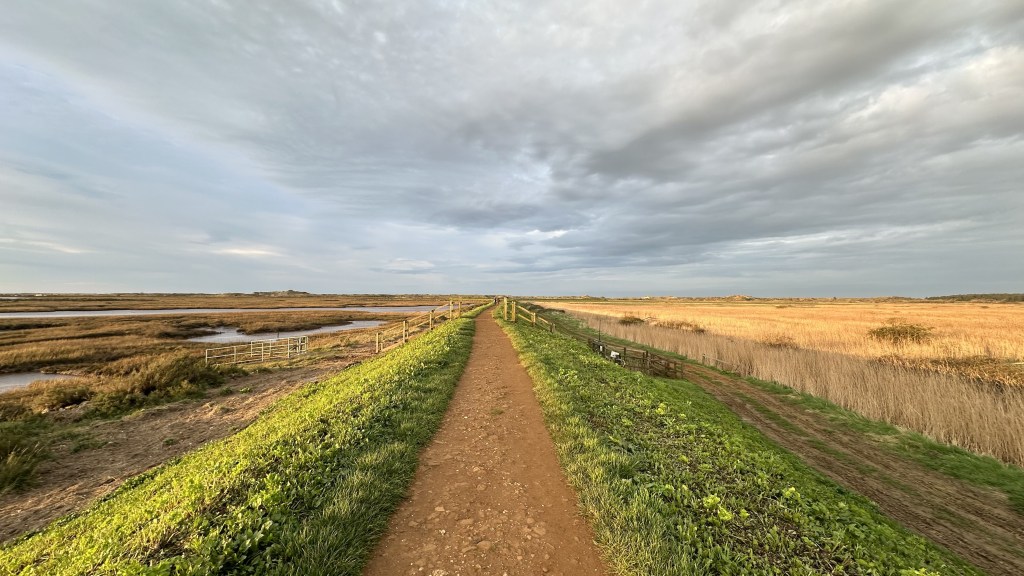
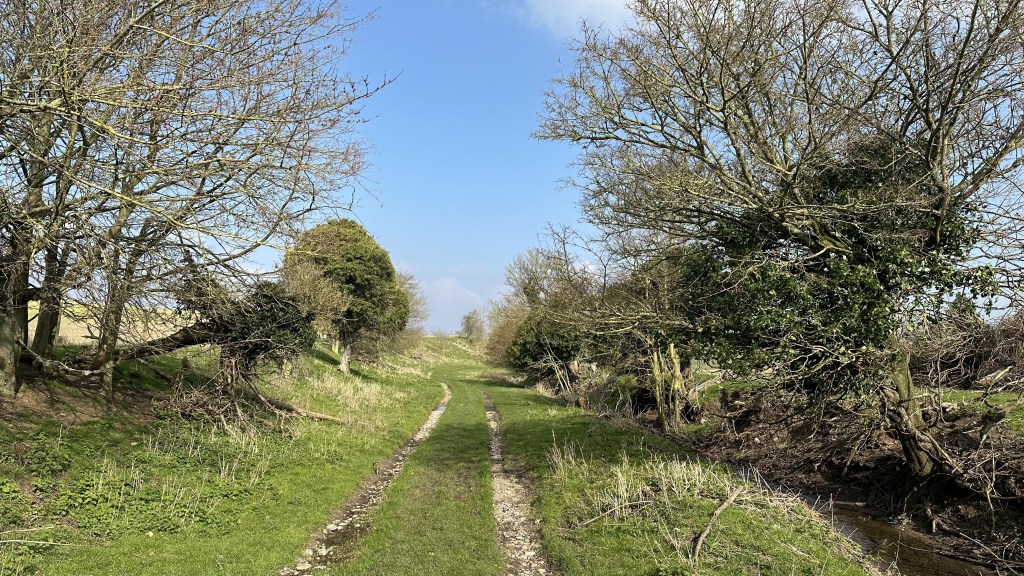
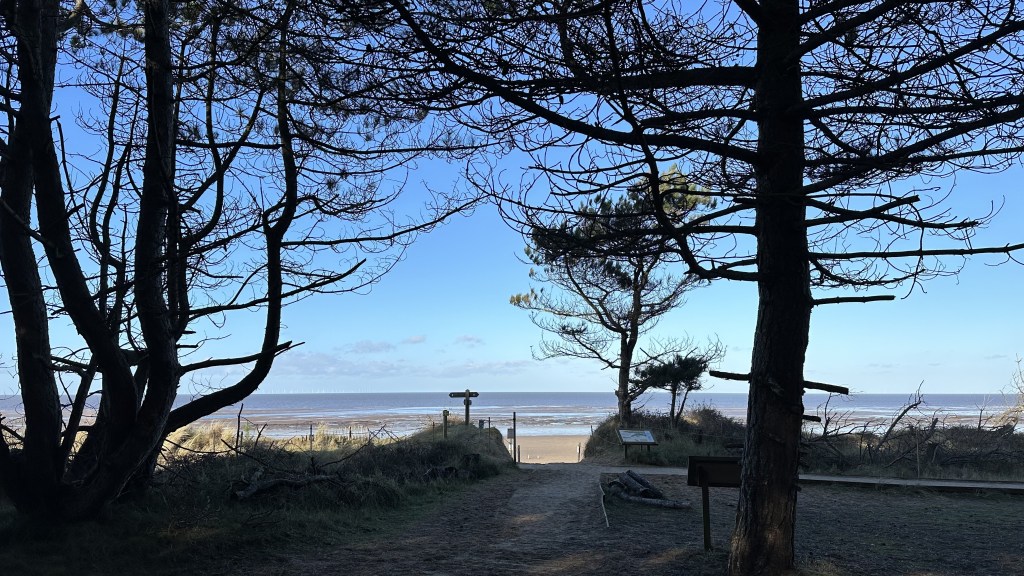
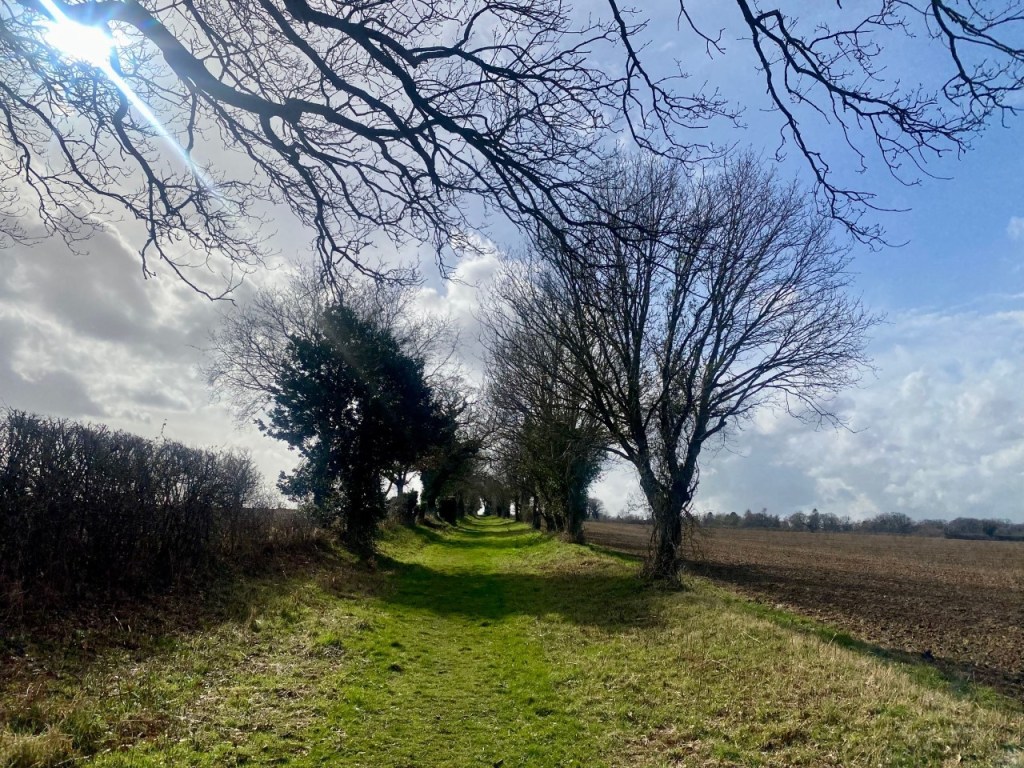
And so, when I’m stumbling along a path such as the one above at Holme-next-the-Sea, and the wind is cutting through my layers of wool and technical fabrics, I still see the beauty in the first green bud that appears, I still have to stop and listen to the birds sing and I always give thanks that I can get out there and just be in nature. Mr Kett taught us so much, but in spring he taught us to howd yew haard, summer is around the corner.

Life – as we’d rather not know it

There are some years that you wish would just end. This has been one of them.  I had such plans to organise walks this year and was so looking forward to meeting everyone again and planning routes – but life had a different plan. I’m sorry for the lack of engagement – but I will remedy this as the year turns.

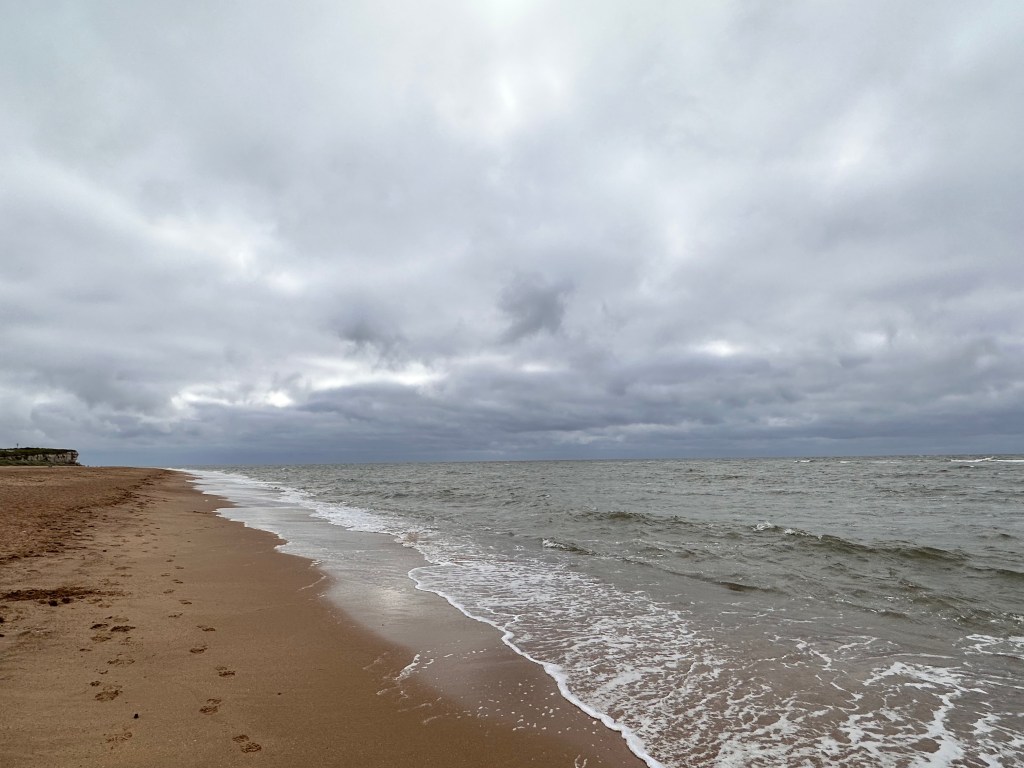
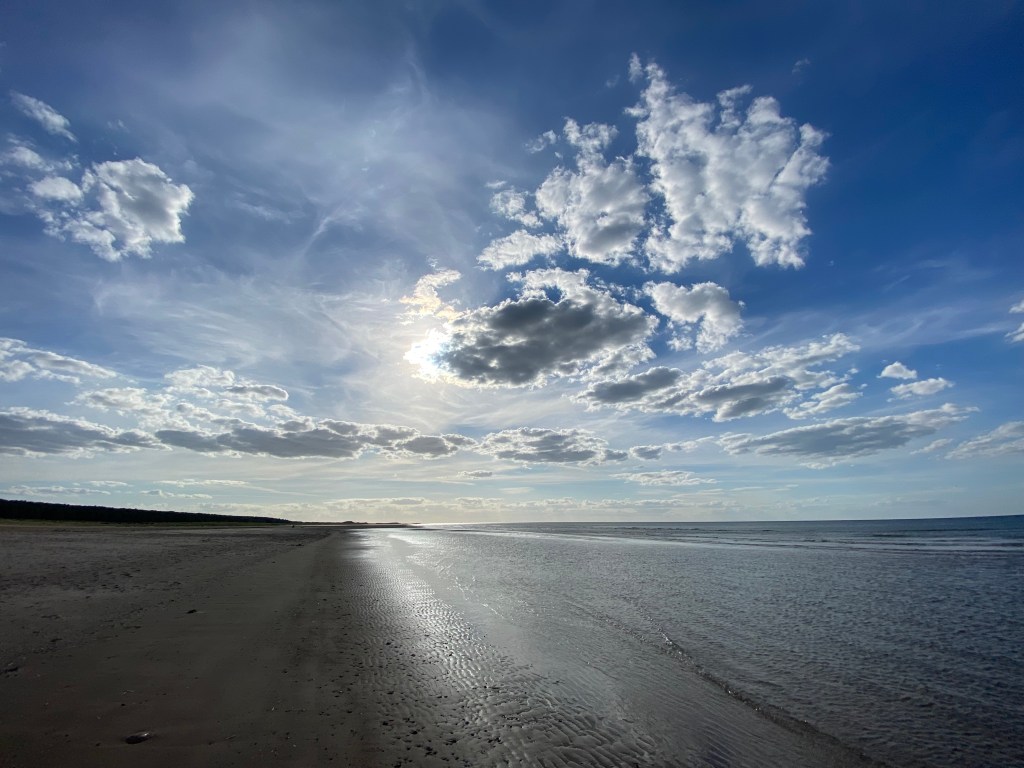
As Life hid behind a dustbin, flinging mud and old bits of rubbish at us, it was Nature who came to the rescue.  Standing on the empty beach at Old Hunstanton, with the wind whipping across the Wash to slap you in the face, frozen fingers stuffed into pockets and lungs burning from the cold air, you gain perspective.  The vastness of the Norfolk sky, the gulls floating overheard and the relentless, dependable ebb and flow of the waves gives clarity.  Problems become smaller in that huge space.

There is so much written about being in and around water and the positive effects it has on both mental and physical health that I can only echo it.  I’ve left home feeling like yesterday’s omelette and arrived home feeling like a newly baked soufflé.  The bit in the middle was a swim. 

July.  Inland the sky was blue, the air slow and the heat rising.  My swimming buddy, Jane, and I sat on the sea wall and looked out to sea.  Well, we would have looked out to sea if we could have seen it.  The sea fret was in, blocking out the sun and turning the beach monochrome.  It wasn’t exactly cold – but with the damp fret circling around and, having not checked the tide times, having no beach to stand on – it was not inviting. 

As soon as a patch of beach appeared we stepped out through the mist and into the sea.  After those first few minutes of absolute horror when you go through your entire stock of swearwords until you are immersed in the water, it was magical.  The waves were quite large and it felt as if we were being carried on the the breath of the sea as we rose and fell with them.  All thoughts became inconsequential.  You had to be in the moment and become part of the seascape instead of an observer.  It was like a thorough wash of the mind and I rinsed away the bad and came out with a clean slate and a better sense of proportion.

There have been days I’ve left the house feeling like there is no point in trying to bother to do anything anymore and what’s the sense anyway, and then stood under wave after wave of Pink-footed Geese as they fly back to the Norfolk coast from Iceland.  They are wonderful creatures and to hear their voices as they fly overhead and the sound of their wings – so clear that you think you can feel them brush your face – feels like a benediction.    

Geese over Burnham Norton

I’ve watched Red Kites lazily drift across the Norfolk sky, been glared at by Buzzards brooding in trees and had impatient Blue Tits stare as I’ve refilled bird feeders.  Everything single little brush with nature has helped me.  Leaves appearing, rain falling, frost on the gates, a pink sunset, a howling gale – it all helps to ground those unhelpful thoughts into the mud.  The problems which I let fester and grow Nature takes a scythe to them and cuts them back, and I’m forever grateful.

Here’s to 2024!

Go west… but not too west

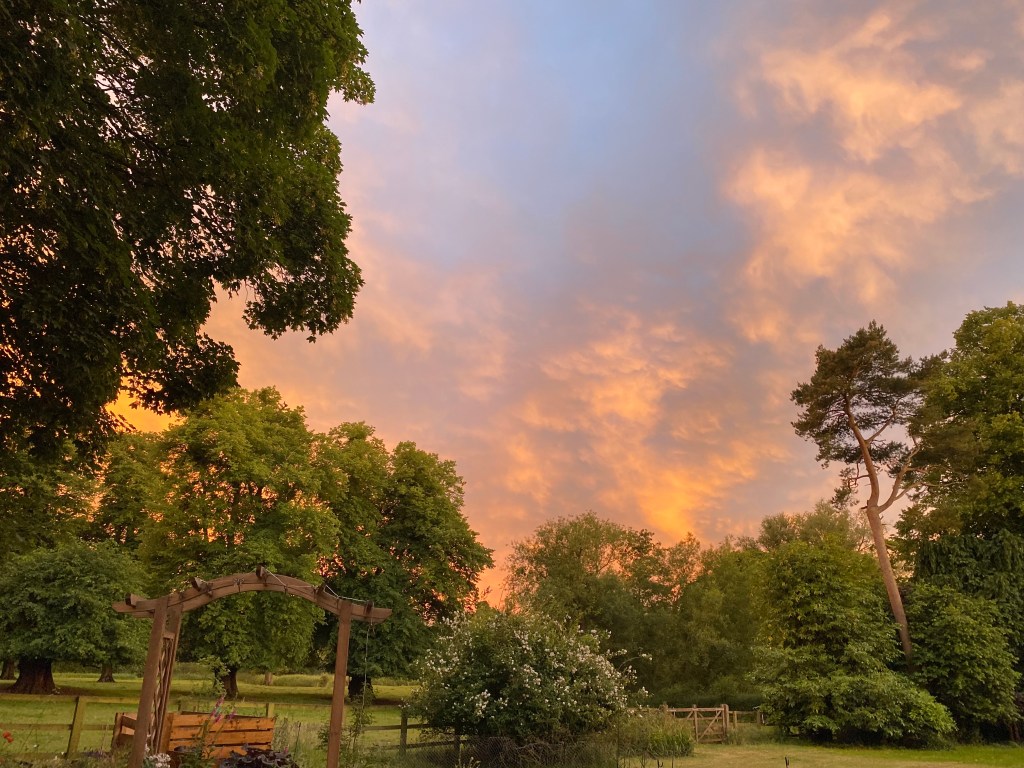
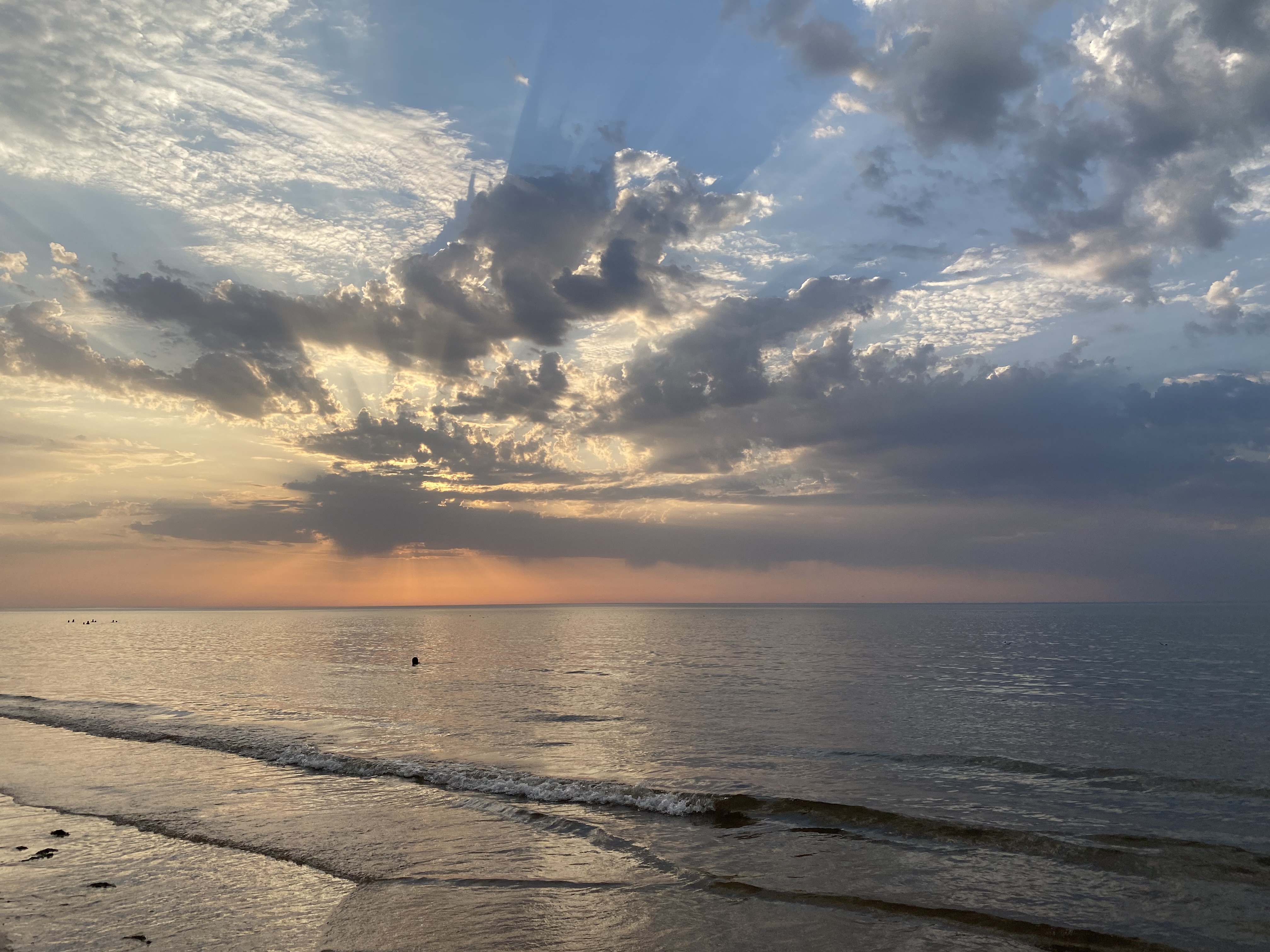
West Norfolk Sunset

After vowing never, ever and under no circumstances at all would I move away from the airfield and ‘my’ corner of Norfolk, I’ve done just that.

The move happened back in April but many boxes are still unpacked, cupboards in disarray and clothes still in bin bags – but on the plus side a bee-friendly garden is emerging, we are eating our home-grown vegetables and most nights the sky seems to be showing off around us.

This corner of west Norfolk is tucked away. It’s not on a road to anywhere and it’s heaven. We have Tawny Owls arguing with each other over territory at night, bats leave the roof to catch moths in the torchlight and Red Kites and Buzzards are over and around every day.

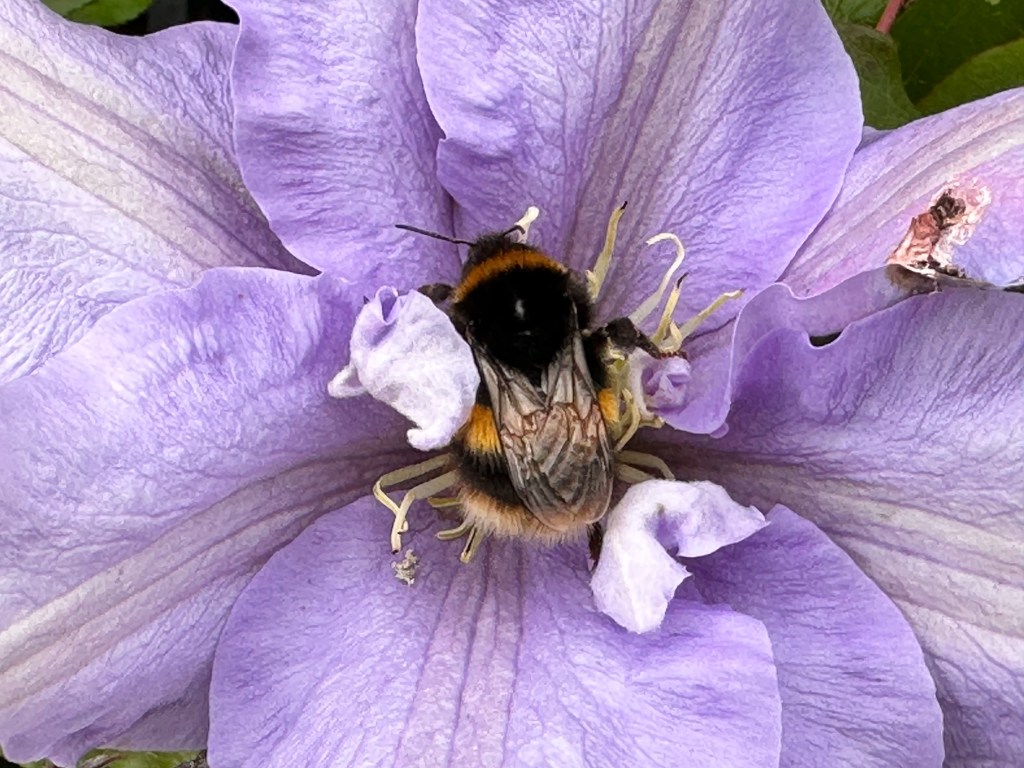
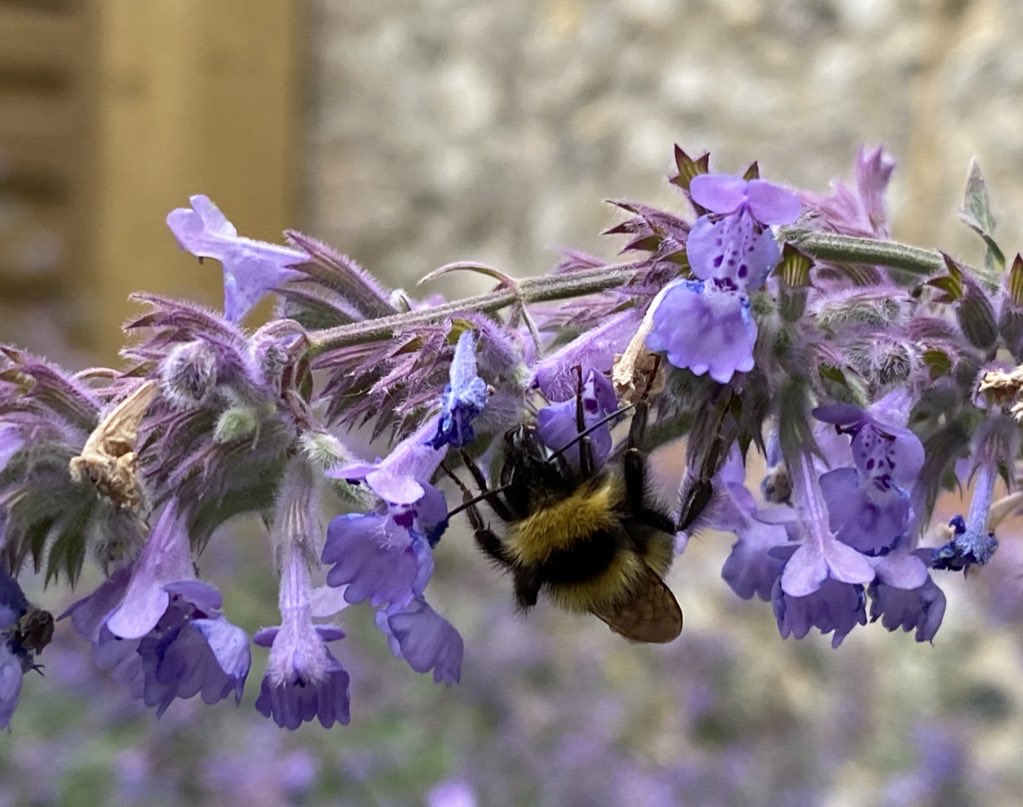
Bee hanging from the Nepeta

Like my old house, the beach is within easy reach and the glorious stretch of sand and mudflats at Holkham is close by. It’s a beautiful beach but in my view nowhere can top the carefree, easy-going swimming at Overstrand.

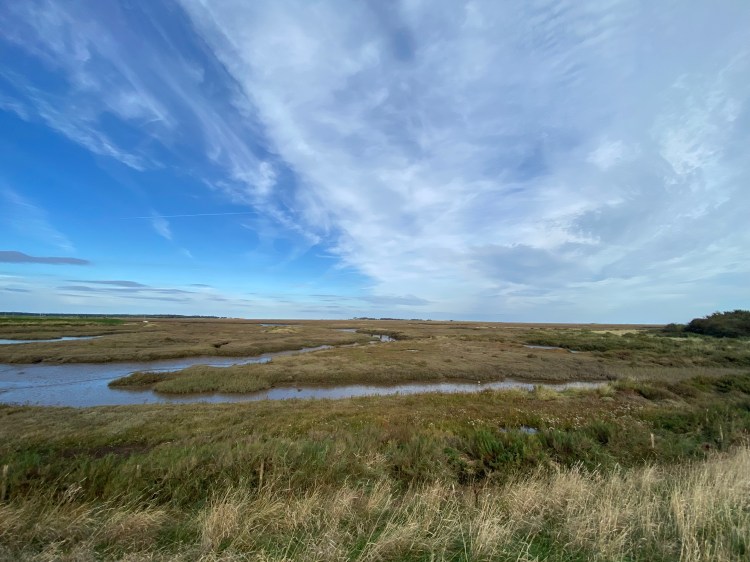
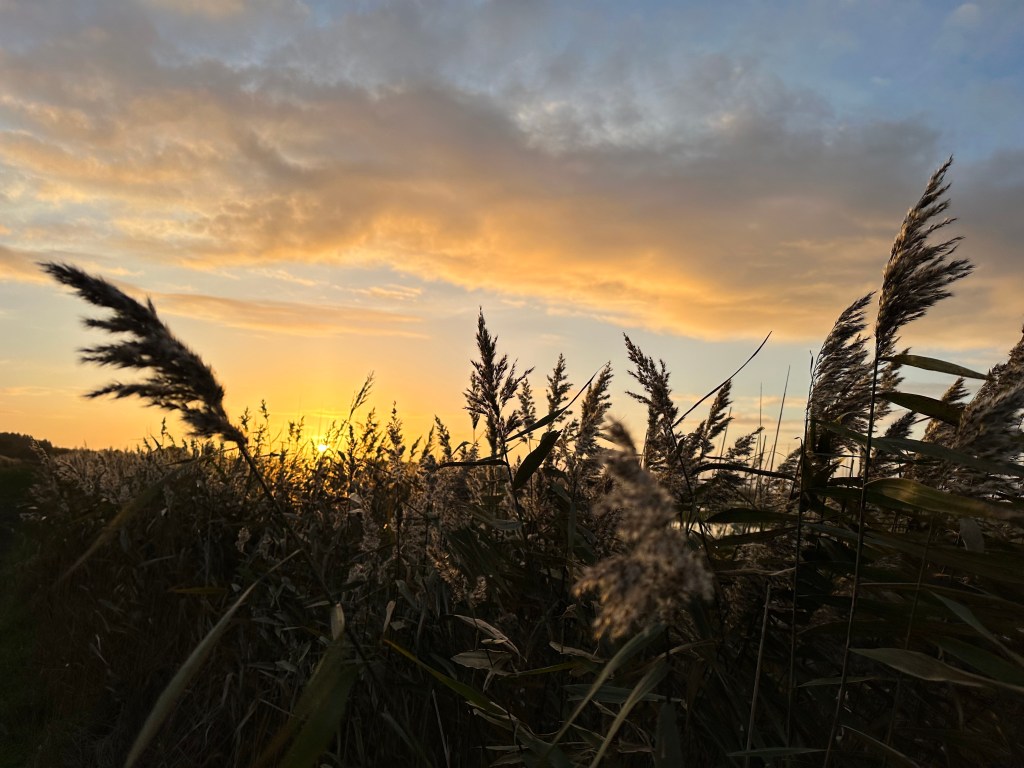
This part of Norfolk is criss-crossed with some wonderful footpaths and they never seem to be busy. The chalk is never far from the surface around here and appears on most of the paths in some form or another. It’s wilder here, too. More scrubland, more reedbeds where Marsh Harriers glide over the head-high Norfolk reed, curlews call as the tide ebbs and the skies seem vast – even by Norfolk standards.

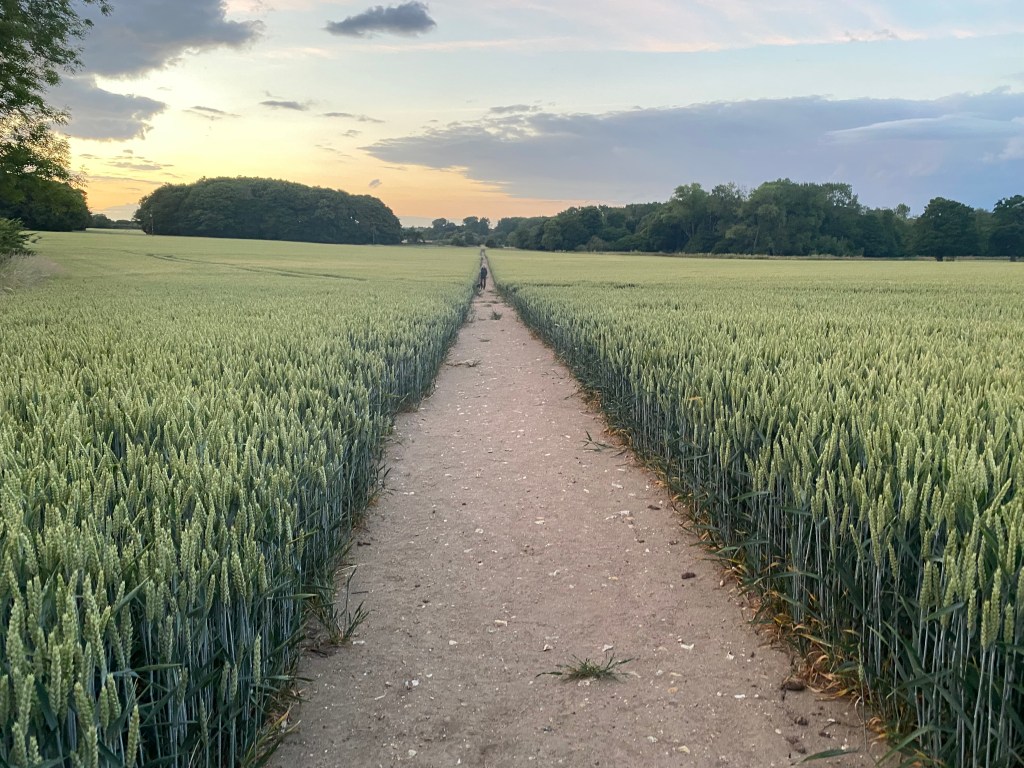
The glory of a cross-field path

I cannot believe my luck to be living here. I thought the airfield and its associations with my family could never be bettered, but it was their lives I was connecting with, and not my own to some extent. This is different now. It’s my life that I’m carving out here, with memories that I am making in a territory new to me and I could not be happier. I think the moral of this is listen to the Village People for life advice and Go West – but not too far.

Norfolk’s Phoenix

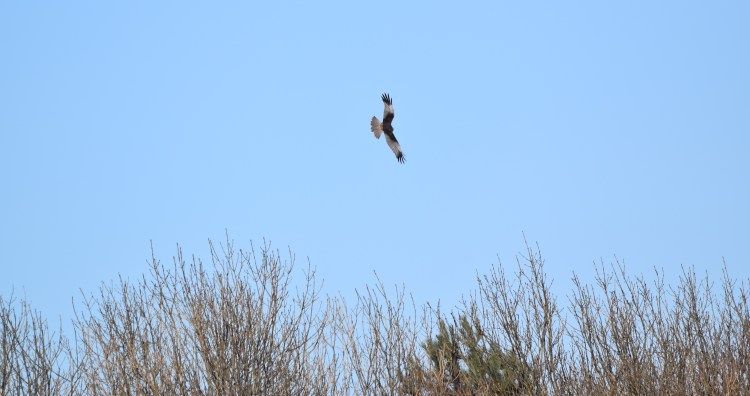
Male Marsh Harrier against a cloudless Norfolk Sky

Imagine the scene: it’s a bright, cold, cloudless day. The Norfolk sky is the kind of blue that gladdens the heart after dull winter’s days and, although the air is chill, there is the first hint of warmth in the sun.

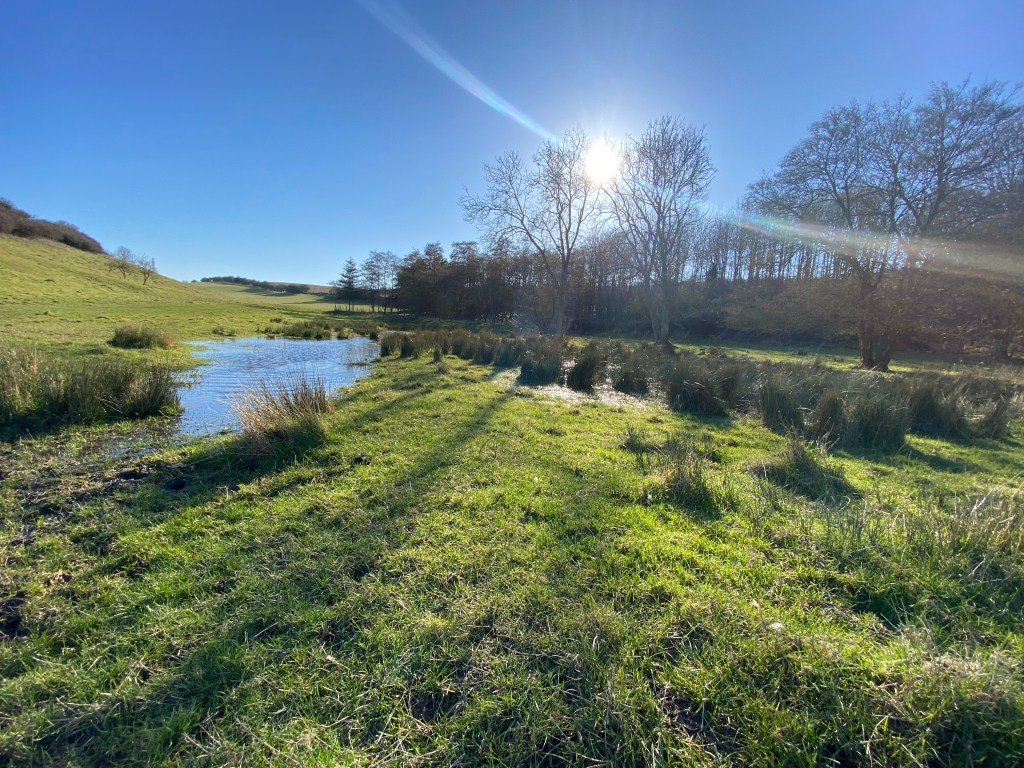
In front of you is a vibrant green meadow with a shimmering shallow pool in the centre, and to your right is a sea of golden Norfolk reed, nodding in the breeze.

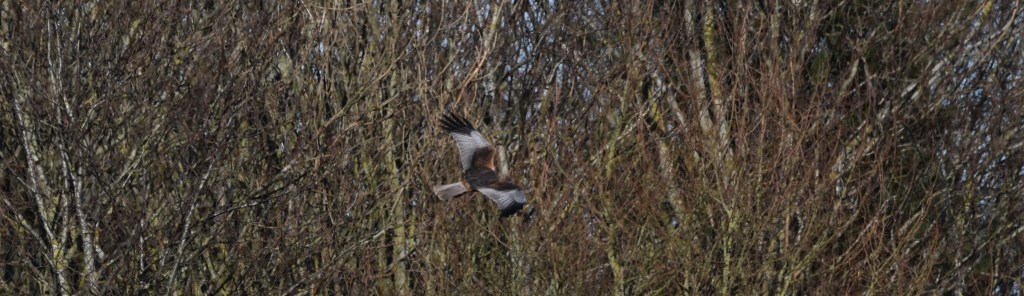
There’s movement in the reeds and a flash of shining golden brown catches the light. And there she is, rising from the golden sea of reed and reminiscent of childhood drawings of phoenix rising from the flames. My first close-up of a marsh harrier.

Shimmering pool on a bright winter day

These birds had always held me in thrall but I’d only ever seen them in the distance and never when I had my binoculars. This time I had been promised a close-up and was prepared. What I was not prepared for was my reaction to them.

The bird that rose from the fen had a cream head – a female – and lifted effortlessly into the clear sky on broad wings. She began to quarter the fen, drifting across the reeds after a couple of slow, heavy wing flaps. It’s a different movement with these birds. There is no quick, darting dashes across the sky but their wing flaps appear almost slow-motion – however the glide seems endless. The hold their wings in a strong dihedral – V-shaped above the horizontal – which makes them easier to spot in flight.

I’d wanted to see a Marsh Harrier eye to eye for so long and the reality of the bird was much more than I had expected. There is something majestic about them, something elemental – and the sun glinting off her red-golden feathers as she dipped a wing to turn down to the marsh made her shine like copper.

Male Marsh Harrier

There came a call from the treeline and there he was. The male harrier. His wings glowed grey with clear black tips showing as he flew low over the reeds and at one point he extended yellow legs as he dropped down – but changed his mind and rose again.

Male Marsh Harrier

They called to each other but did not engage in the sky dancing that we had hoped for – but it didn’t matter. I felt I’d been in the presence of something utterly wonderful and raw. I could have stood all day and watched them. There’s beauty in their movements as well as their plumage and a power occasionally glimpsed, but more often shimmering under the surface. The flight is hypnotic and they drag you into their world as you watch them and straight into your heart.

If you can find them, go and see them. Everything else in the world will fade away when you are eye to eye with such beauty and it will just be you and them and their calls on the breeze. Nature’s alchemy with a direct path into your soul. I’m not exaggerating – trust me.

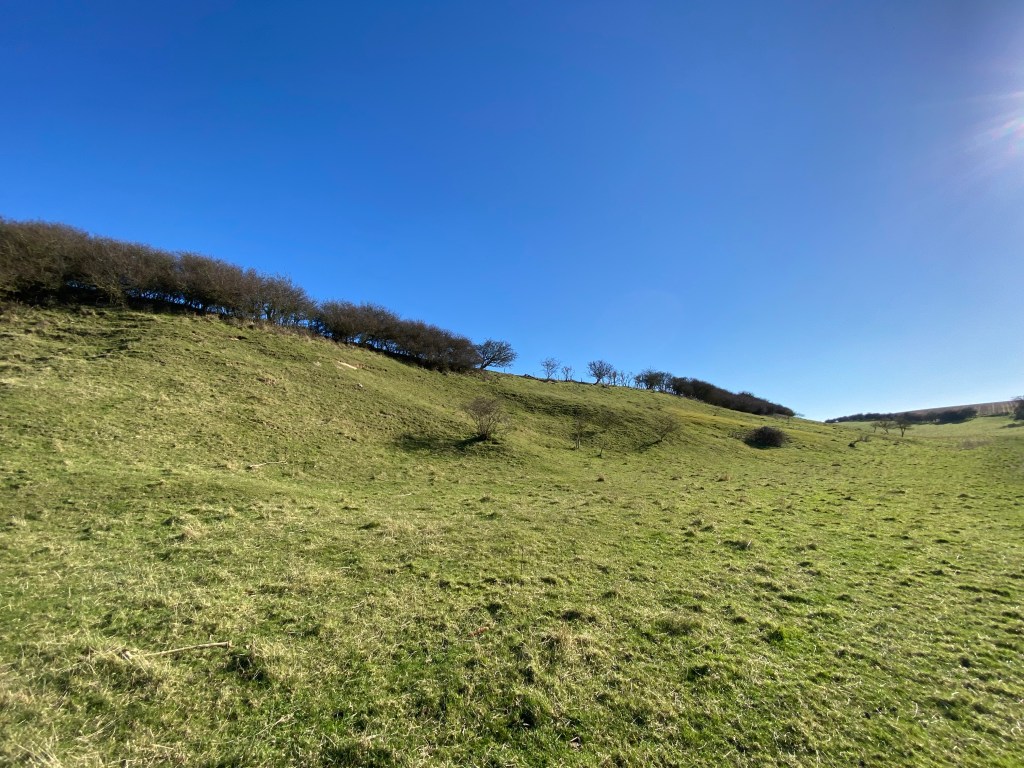
Undulating Norfolk Countryside